Best Time to Visit North German Union Region: I’m sitting here looking at my first photo from Germany – it’s me looking completely lost at Frankfurt airport, holding a melted chocolate bar from the August heat. That was 15 years ago, and I’ve been back every year since, each time discovering that Germany has a different personality depending on when you visit. Let me give you the real deal on timing your trip.
That First Summer Shock
I’ll never forget stepping out of the airport into what felt like a sauna. My German friend Lena laughed when she saw my red face. “You picked August! Next time, try September,” she said, handing me a bottle of water. I spent that first week drinking more Apfelschorle than I knew existed and learning that German buildings often don’t have air conditioning. It was a brutal but effective introduction to German summers.
Spring’s Slow Unfolding
The Year I Discovered German Spring
My third trip was in April, and what a difference it made. I remember walking through Hamburg’s Planten un Blomen park, watching crocuses push through soil that had been frozen just weeks before. The air had that crisp quality that makes you want to breathe deeper.
Why Germans Love Frühling
I learned that spring is when Germans emerge from their winter cocoons. Beer gardens start putting out chairs, and there’s this palpable sense of relief in the air. My favorite memory is sitting in a Munich beer garden in May, watching elderly couples dance to oompah music while wearing jackets against the chill.
The Cherry Blossom Secret
Everyone talks about Japan, but Bonn’s cherry blossom avenue in April is magical. I arrived at 6 AM to avoid crowds and had the pink canopy mostly to myself as shopkeepers started opening their stores. It’s these quiet moments that make spring special.
Summer’s Electric Energy
When the Whole Country Seems to Celebrate
Summer in Germany is like one long festival. I remember being in Berlin during a heatwave and discovering that the city basically moves outside. People swim in the Spree, have picnics in Tiergarten, and the energy is just infectious.
The Reality of Peak Season
But here’s what they don’t tell you: everyone visits in summer. I made the mistake of trying to see Neuschwanstein Castle in July and spent more time in line than actually enjoying the view. The key is to book major attractions months ahead or visit smaller alternatives.
My Favorite Summer Discovery
The Baltic Sea coast in June is Germany’s best-kept secret. I spent a week on Rügen island where the water was refreshing, the beaches were empty, and the white chalk cliffs shone in the sunlight. It felt nothing like the crowded southern tourist spots.
Autumn’s Golden Magic
When Germany Puts on Its Best Colors
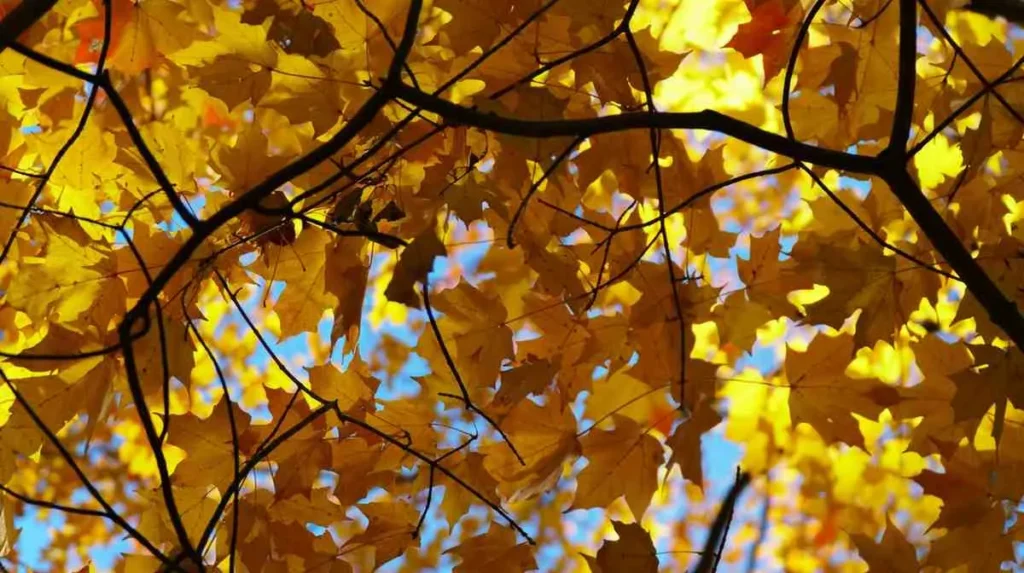
October in the Black Forest changed how I see autumn. The colors are so intense they look Photoshopped. I hiked for days, staying in small guesthouses where the owners would press fresh apple cider in the mornings.
Oktoberfest Beyond the Crowds
Yes, I did Munich’s Oktoberfest once. It was overwhelming. What I prefer are the smaller festivals in Bavarian villages where you can actually talk to people. The Andechs monastery beer festival felt more authentic, with families celebrating together.
The Cultural Shift
Autumn is when Germany’s cultural scene wakes up. I saw my first opera in Dresden in September and was amazed at how the city comes alive after summer. The light has this golden quality that makes everything look more dramatic.
Winter’s Cozy Embrace
Christmas Market Perfection
My first German Christmas market was in Nuremberg. The smell of gingerbread and Glühwein, the twinkling lights, the sound of carols – it’s as magical as everyone says. But go on a weekday morning to avoid the worst crowds.
When Germany Gets Really Cold
January can be brutal. I remember walking along Cologne’s Rhine promenade when it was -10°C, thinking I might never feel my toes again. But then I discovered the joy of warming up in a traditional Kneipe with a hot chocolate.
The Light at the End of the Tunnel
By February, carnival season begins in the Rhineland. I got caught up in Cologne’s crazy parade once, complete with strangers kissing my cheeks and throwing candy. It’s Germany’s way of shaking off winter.
What I’ve Learned After 15 Years of Visiting
Regional Differences Matter
Northern Germany’s weather is completely different from the south. I learned this when I expected Bavarian sunshine in Hamburg and got rain for a week. The wine regions along the Rhine have their own microclimate that’s pleasant year-round.
It’s All About Your Tolerance
Can you handle crowds? Come in summer. Love cozy moments? Winter’s your friend. Prefer perfect hiking weather? September can’t be beat. Hate extreme temperatures? May or October are safe bets.
The Best Advice I Ever Got
A Berlin taxi driver told me: “The best time to visit Germany is when you can come. Every season has its magic.” He was right. I’ve had amazing trips every month, each with its own character.
My Personal Recommendation

If it’s your first time and you want the classic experience: come between May and September
If you’re on a budget and don’t mind cooler weather: April or October are perfect
If you want Christmas magic: late November through December
If you’re looking for adventure: February for carnival or January for winter sports
But honestly? Germany won’t disappoint whenever you visit. Some of my best memories came from unexpected weather – like getting caught in a spring hailstorm that led to an afternoon in a cozy café where I ended up chatting with locals for hours.
The key is to come with flexible plans and an open mind. Germany has a way of surprising you in the best possible ways, no matter what the calendar says.
What kind of experience are you looking for? I’m happy to help you think through what timing might work best based on what matters most to you. After all, half the fun is in the planning!