My First Experience of Lew Chew
Best Time To Visit Lew Chew (Loochoo) : I remember when I first arrived in Lew Chew. It was an April morning, and the air carried the fragrance of jasmine flowers mixed with the sweetness of the sea. I had never seen such a place before – where history and the ocean meet each other. Lew Chew is that kind of destination where the weather itself becomes your tour guide.
The Seasonal Colors of Lew Chew
Rain and Sunshine Take New Forms Every Day
The weather here tells a completely different story. I noticed that Lew Chew has two distinct seasons – the summer season that brings rains, and the winter season that remains dry and cold. The months between these two are like some magical world.
Spring Season (March to May)
The Colors of Flowers and New Life
In the spring season, Lew Chew seems to wake up. Cherry blossoms have already shown their beauty by February, but in March and April, gardens and parks still get filled with colorful flowers. While wandering through Naha’s Makishi market, I felt there was a new fragrance in the air – as if old dreams were becoming new.
Weather Conditions and Clothing
In March, the daytime temperature stays around 20°C, and by May it reaches 26°C. I learned to always keep a light jacket and umbrella with me – because rain can come anytime, but it leaves quickly too. This weather is best for visiting historical sites.
Best Time for Historical Exploration
If you enjoy seeing old forts and museums, then spring weather is perfect for you. I wandered through Shuri Castle and Nakagusuku Castle ruins and felt the stories of their ancient eras. Traveling becomes easier because there’s neither extreme heat nor extreme cold.
Summer Season (June to September)

The World of Rains and Typhoons
Let me tell you, Lew Chew’s summers are completely different. From June, the rainy season begins. It’s not that it always rains, but when it does, it rains very heavily. The heat is so intense that it feels like moisture is hidden in the air.
Staying Safe from Typhoons
From August to October, there’s also a risk of typhoons. I experienced the silence before a typhoon once – the sky turns yellow and the air becomes completely still. When this happens, one should stay safe and keep plans flexible.
Special Things About Summers
Despite these difficulties, summers in Lew Chew have their own specialties. Rain makes everything green. The seawater becomes warm, best for swimming and snorkeling. While snorkeling at Kerama Islands, I felt like I was swimming in an aquarium.
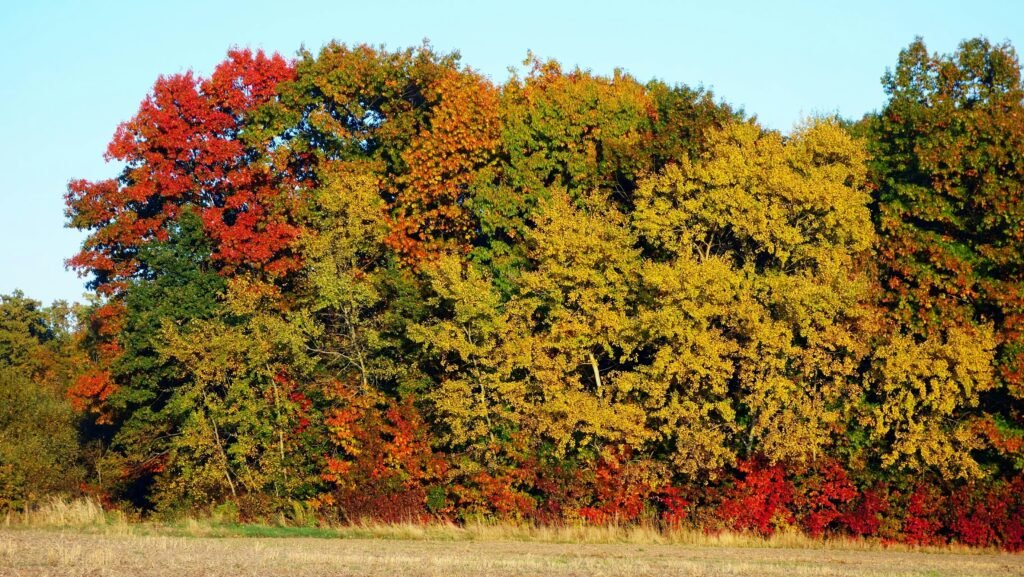
Autumn Season (October to November)
The Season of Coolness and Pleasantness
As October arrives, it feels like Lew Chew has taken a deep breath of relaxation. The heat reduces, the danger of typhoons ends, and the weather becomes absolutely perfect. November mornings are like something from a film – blue sky, sunshine rays, and cool breeze.
Best Time for Traveling
During this season, it becomes easier to visit other islands. I took a ferry to Miyako Islands and explored beaches and caves there. The water was still warm for swimming, and there were fewer people so I could roam comfortably.
Depth of Culture and Traditions
This season makes it easy to visit museums and cultural sites. I spent a lot of time at Okinawa Prefectural Museum, learning about Lew Chew’s history. Wandering through traditional villages is also enjoyable this season.
Winter Season (December to February)
The Season of Coolness and Peace
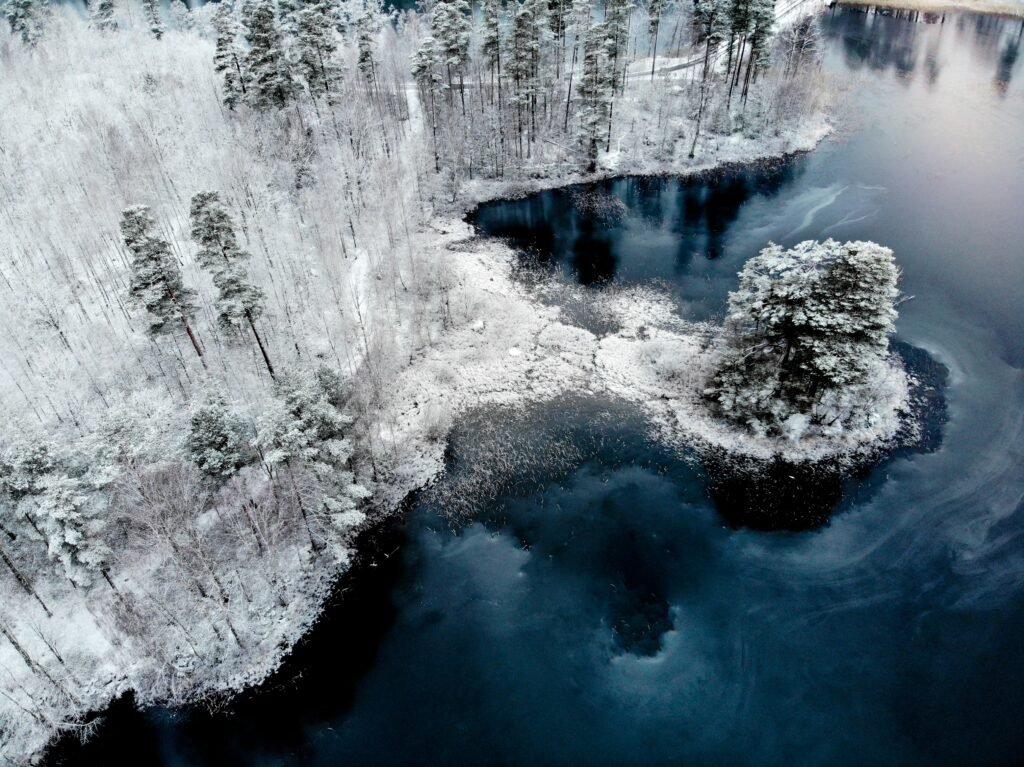
Lew Chew’s winters might surprise you. It doesn’t snow here, but it definitely gets cool. Daytime temperatures stay around 18-20°C, but the coolness increases at night. I experienced both – sunny days when it was suitable to roam in a sweater, and cloudy days when I needed a jacket.
Enjoyment of Indoor Places
In winters, it feels good to explore museums and cafes. I watched the sea while drinking coffee, and tasted Lew Chew’s special dishes in local restaurants. This season also has cultural events where you can see local culture closely.
Nature’s Unique Appearance
Nature’s beauty becomes different in winters. The light becomes soft for photography, hiking becomes easier, and often you’ll find yourself alone on popular trails. Watching the sunset gives special pleasure this season.
How to Choose Perfect Time for Yourself
Different Recommendation for Every Traveler : Best Time To Visit Lew Chew (Loochoo)
After multiple visits, I can say that perfect time is different for every traveler:
For first-time visitors: April to early June – good weather, less crowd, perfect for historical sites
For beach lovers: Late May to early July or October-November – sea is warm, weather is good
For budget travelers: January-March – cheaper rates, authentic experiences
For festival viewers: Naha Hari Dragon Boat Races in May or harvest festivals in autumn
The Real Magic of Lew Chew
Every Season Tells Its Own Story
I’ve learned that whenever you visit Lew Chew, you’ll get something good. Rainy days also bring opportunities that aren’t available in planned trips. During unexpected delays, I met local people and heard their stories, and tasted dishes in small restaurants that I can never forget.
Preparation Tips for Lew Chew
Making Your Journey Memorable
Whenever you go, definitely keep these things in mind:
Pack clothes in layers – light clothes, rain jacket, and something warm for coolness
Bring comfortable shoes – for historical sites and natural areas
Don’t forget sunscreen and cap – sunshine is strong
Embrace local culture – learn some language, try local food
Keep your plans flexible – weather can change
Lew Chew is waiting for you. Whenever you go, you’ll get an experience that will call you back. This is that kind of place that settles in your heart, and every season shows you something new.