Best Time To Visit North German Confederation : I’ve got this peculiar fascination with historical moments that feel like suspended animation – those brief periods where everything could have gone in multiple directions. The North German Confederation is exactly that kind of moment. Now before you ask how one “visits” a place that disappeared 150 years ago, let me tell you about my strange obsession with this political experiment that lasted barely four years.
Walking Through the Ghost of a Nation That Never Quite Was
The first time I truly “visited” the Confederation was in the reading room of Berlin’s state library. I was holding a newspaper from August 1867, and the ink smudged on my fingers as I read about the first Reichstag elections. There was something haunting about how optimistic the articles were, how they spoke of this new political structure as if it would last centuries. Little did they know it would be gone in four years.
Spring 1867: When the Paint Was Still Wet on the Constitution
The Smell of Fresh Ink and New Beginnings
Picture Berlin in April 1867. The lime trees are starting to bloom along Unter den Linden, and there’s this nervous energy in the air. I always imagine Bismarck pacing in his office, the floorboards creaking as he worries about whether the southern states will ever join. The constitution feels like a newborn – everyone’s excited but nobody’s sure if it will survive its first winter.
Why This Moment Feels Like Walking on Ice
What gets me about spring 1867 is how fragile everything was. I found these letters between minor officials where they’re debating whether to use the new Confederation letterhead or stick with old Prussian stationery. That’s the level of uncertainty we’re talking about – people weren’t even sure what paperwork to use!
Summer 1868: When the Machine Starts Humming
The Rhythm of Trains and Telegraphs
By summer 1868, you can feel the Confederation finding its feet. I spent days going through railway schedules from this period, and it’s remarkable how the train networks were literally stitching the member states together. There’s this wonderful memo from a customs official in Hamburg complaining about how much paperwork the new free trade agreement was eliminating.
The Beer Gardens Are Buzzing with Political Gossip
What I love about this period is how ordinary people are starting to engage with the idea of a larger Germany. I came across police reports from Munich beer gardens where people were getting into fights about whether Bavaria should join. The passion is palpable – you can almost taste the warm beer and heated opinions.
Autumn 1870: The Point of No Return : Best Time To Visit North German Confederation
When War Changes Everything
The autumn of 1870 is when the Confederation becomes something else entirely. I remember holding a soldier’s diary from the Siege of Paris, and the pages were still crisp despite their age. What struck me was how his writing changed from talking about “Prussia’s war” to “Germany’s destiny” over just a few weeks.
The Unseen Cultural Shift
What fascinates me most is watching German identity crystallize in real time. I found school textbooks from this period where geography lessons suddenly start teaching about “natural German borders” rather than state boundaries. It’s these subtle changes that show how minds were being prepared for unification.
Winter 1870-1871: The Bitter Sweet End

The Ironic Victory
There’s something profoundly ironic about January 1871. The Confederation achieves its greatest success – defeating France – only to immediately make itself obsolete. I always picture some minor functionary realizing he’s been working himself out of a job for four years.
The Ghost in the Machine
What stays with me is how many of the Confederation’s institutions simply continued into the Empire. That original constitution? It became the template for the Imperial constitution with barely any changes. The bureaucratic machinery kept humming along, just with a different nameplate on the door.
Why This Historical Moment Still Matters Today
The Roads Not Taken
What keeps me coming back to the Confederation is the alternative histories it represents. I’ve spent hours wondering what would have happened if it had lasted longer, if it had developed differently. There’s a memo from a liberal delegate proposing a much more democratic structure that never got implemented. It makes you wonder about the Germany that might have been.
The Personal Stories Behind the Politics
Behind all the grand politics are human stories that still resonate. I found letters from a minor Saxon official worried about whether he’d still have a job after unification. His concerns about bureaucracy and job security feel remarkably modern, despite the 150-year gap.
How to “Visit” the Confederation Today
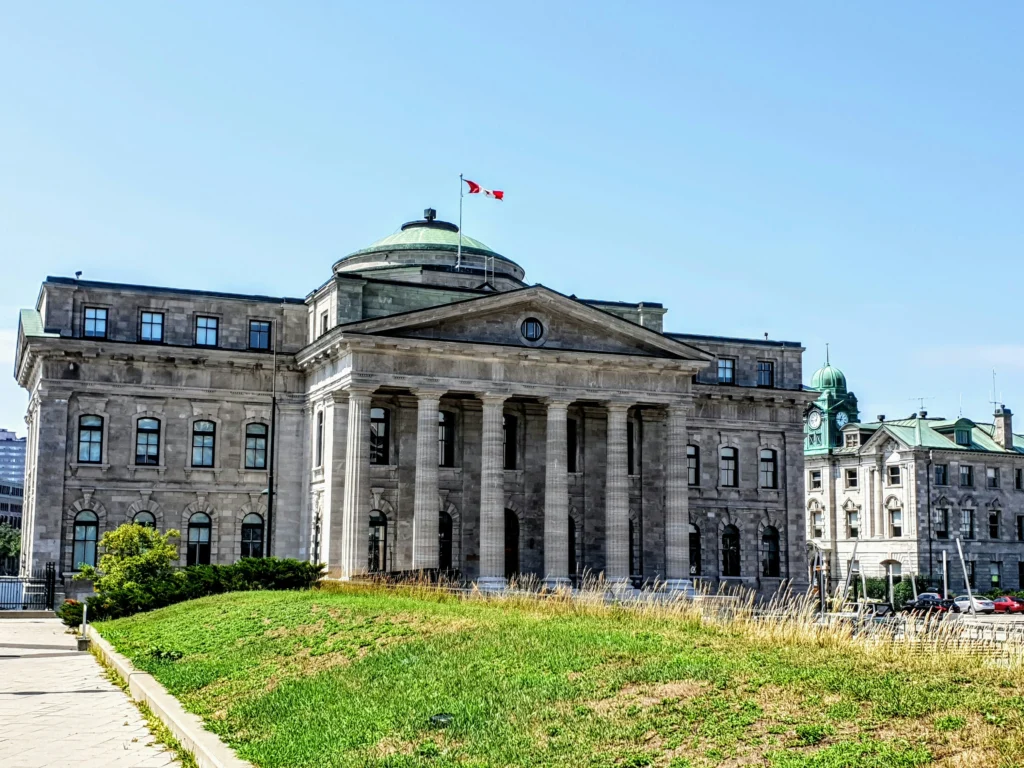
Walking the Berlin of 1867
If you want to feel the Confederation’s presence today, walk from the Brandenburg Gate to the Reichstag building. Sure, the buildings are different, but the political energy still lingers. I always stop at the spot where the first Reichstag building stood and try to imagine the delegates arguing about military budgets.
The Paper Trail That Survived
The real “visiting” happens in archives. There’s something magical about handling documents that Bismarck himself might have touched. The smell of old paper, the careful handwriting of 19th-century clerks – it’s the closest we can get to time travel.
What the Confederation Teaches Us About Modern Europe
The Blueprint That Still Exists
The crazy thing is how much of the Confederation’s structure survives in today’s Germany. The federal system, the balance between central and state power – it all started here. When I watch modern German politics, I sometimes feel like I’m watching the Confederation’s ghost still playing its hand.
Why This Moment Matters for Understanding Today’s EU
There are eerie parallels between the Confederation’s relationship with the southern German states and the EU’s relationship with non-member European countries. The same questions about integration, sovereignty, and economic cooperation are still being debated today.
My Personal Connection to This Strange Historical Blip

I’ll confess something – I’ve probably spent too much time thinking about the North German Confederation. There’s just something about its brief, transitional nature that captures my imagination. It’s like finding a beautiful sketch for a painting that was never completed – there’s potential there that never got fully realized.
The Confederation reminds me that history isn’t just about what happened, but about what could have happened. It’s this weird space between possibility and reality that keeps me coming back, year after year, to walk its ghostly corridors and wonder about the roads not taken.
What about you? Does this strange historical moment capture your imagination too? I’d love to hear which aspect of the Confederation’s story resonates with you most.