Best Time to Visit Denmark: Let me share with you what I discovered during my time exploring Denmark – when you visit makes all the difference. After multiple trips during different seasons and learning from local friends, I can tell you each season feels like a completely different country. Denmark transforms throughout the year, and picking the right time can turn a nice vacation into something truly special.
Imagine yourself riding a bike through Copenhagen’s colorful streets during those amazing summer nights when it stays light until bedtime. Or picture yourself at a Christmas market, holding a warm drink while snow falls gently on old buildings. Maybe you’re walking through palace gardens in spring, surrounded by flowers with only birds for company. Denmark changes so much with each season that your timing really matters.
Summer Days: June to August
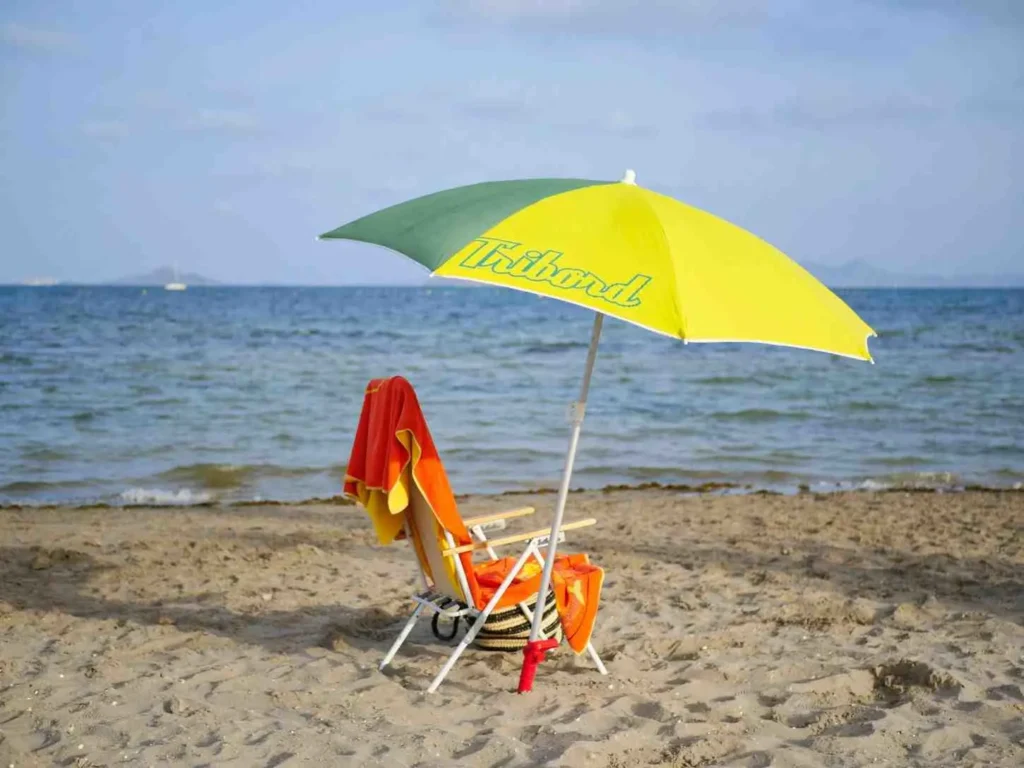
If you enjoy long sunny days, Danish summer will feel just right. From June through August, daylight lasts a long time – we’re talking bright evenings until 10 PM! The weather stays in that nice 20-25°C range, perfect for beach days without getting too hot. The sea around Denmark gets warm enough for swimming too.
This is when Denmark really comes alive with energy. You’ll find street parties
everywhere, families having picnics in parks, and beaches full of happy locals. Tivoli Gardens looks magical with its lights and shows. The countryside shows its greenest colors, and it’s perfect weather for bike rides or walks by the sea. Many Danish people take their holidays in July, so you’ll feel a real festive mood everywhere.
But here’s the thing – you won’t be alone. Summer is the most popular time, so you’ll be sharing the experience with many other visitors. Get ready for longer waits at popular spots like The Little Mermaid statue or Rosenborg Castle. Hotel prices hit their highest, especially in popular areas like Copenhagen and Aarhus. You’ll need to book everything well ahead – hotels, ferries to the islands, even restaurant reservations. If you like busy places and don’t mind crowds, this could be your best time.
The Best Balance: April-May and September-October
Here’s something my Danish friends taught me – these months often give you the best of Denmark. During April and May, the country wakes up from winter. Flowers come out everywhere, especially tulips and daffodils in public gardens. The air feels fresh and clean, and the summer crowds haven’t arrived yet. It’s great for seeing cities without too many people and watching nature come back to life.
The weather during these months can be unpredictable – some days feel like summer, others remind you winter has just left. But that’s part of the fun. You’ll see local people coming out from winter, enjoying outdoor cafes again, and the whole country seems happy that winter has passed.
Autumn might be even better. September and October show amazing fall colors, especially in Denmark’s forests and parks like Jægersborg Dyrehave north of Copenhagen. The summer heat turns into that perfect fresh feeling that’s just right for exploring. After August, visitor numbers drop a lot, meaning better hotel prices and more rooms at attractions. These months give you the perfect mix of good weather and real local experiences, making them perhaps the best time to visit Denmark for many travelers.
Winter Time: November to March
Don’t forget about Danish winter! Yes, it gets quite cold and the days are shorter, but there’s real magic during these months. From late November, Christmas markets make town squares into winter wonderlands, filling the air with the smell of warm drinks and traditional sweets. There’s something special about walking through old streets with twinkling lights and holiday decorations everywhere.
The winter months show a different side of Danish culture. You’ll experience the famous concept of “hygge” – that feeling of cozy comfort that Danish people love during the dark months. Winter means fewer tourists and better prices. You might have famous museums almost to yourself, and you’ll get to experience real Danish culture – think cafes with candles, comfortable restaurants, and friendly welcomes everywhere.
The shorter days need some planning for outdoor activities, but the longer evenings are perfect for enjoying Denmark’s great food and culture. Many museums and attractions stay open longer during winter, and there’s nothing like coming in from a cold street into a warm café smelling of fresh coffee and cinnamon pastries. For those looking for real experiences and good value, this can be a wonderful time to visit Denmark.
What Each Month is Like

January-February: Real winter with possible snow. Quietest time with lowest prices. Great for experiencing true Danish culture without crowds. Perfect for museum visits and cozy café time. Days are short but the cozy factor is high.
March-April: Changeable weather that keeps you guessing. Easter brings colorful markets and events. Nature starts waking up with spring flowers. Days slowly get longer, offering more daylight for exploring. You might experience all four seasons in one week!
May-June: Late spring/early summer with longer days. Everything’s green and growing. Tourist season has started but isn’t too busy yet. Wonderful weather for outdoor activities without the summer crowds. The famous white nights begin, with evening light lasting until 10 PM.
July-August: Peak summer with warmest weather and longest days. Most visitors and highest prices. Festival season and outdoor fun everywhere. Beaches and attractions at their best. Many Danish people are on holiday, creating a festive atmosphere everywhere.
September-October: Autumn brings comfortable weather and beautiful fall colors. Crowds get much smaller after September. Cultural season starts in cities. Perfect for photos and peaceful exploring. The light turns a beautiful golden color, great for photographers.
November-December: Winter begins with Christmas markets starting late November. Short days but wonderful holiday feeling everywhere. Magical for Christmas experiences and cozy moments. The excitement of Christmas fills the air.
More Than Just Weather
Choosing when to go involves more than just temperatures:
Local Events: Summer has lots of outdoor parties and music festivals like Roskilde Festival and Copenhagen Jazz Festival. Winter brings beautiful Christmas markets that make town squares like fairy tales. Spring includes Easter celebrations and flower festivals, while autumn starts the cultural season in cities with theater and art shows.
Daylight Hours: Really important for planning! Summer gives you up to 17 hours of daylight, allowing for long exploration and evening picnics. Winter days can be as short as 7 hours, needing good planning for outdoor activities. This big change really affects how you experience Denmark’s attractions.
Budget: Summer has the highest prices for hotels and flights, often 30-50% higher than winter rates. Winter offers the best value with good discounts on hotels and attractions. The spring and autumn months provide a good balance of reasonable prices and decent weather.
Real Experiences: Summer sees Danish people enjoying their vacation time, with many locals traveling themselves. Winter offers a more real look at everyday Danish life, with chances to experience the famous hygge culture that defines Danish winters. You’ll find local people more available for talking and connecting during the quieter months.
Making Your Choice

So when should you go?
It depends on what you’re looking for from your Scandinavian trip. Pick June-August for warm weather and long days (but expect crowds and high prices). This time works well if you want lively energy and don’t mind sharing popular places with other visitors. You’ll experience Denmark at its most active and energetic.
Choose April-May or September-October for comfortable temperatures with fewer tourists and better value. These months often give the best balance for most travelers, offering good weather while avoiding the busy season extremes. You’ll get to see Denmark’s beautiful seasonal changes while enjoying relative peace and good prices.
Go for November-March for Christmas markets, hygge culture, and lowest prices (but bring warm clothes for cold weather). This time suits travelers looking for real cultural experiences and good value. You’ll discover the cozy heart of Danish culture and have many attractions almost to yourself.
Think about what matters most to you: perfect weather, avoiding crowds, saving money, or seeing seasonal events. There’s no one “best” time that works for everyone – only what’s best for your own travel style and interests. Consider what experiences you value most and let that guide your decision.
The great thing about Denmark is that it offers wonderful experiences all year round. Whenever you decide to visit, you’ll find a country ready to welcome you with beautiful buildings, interesting history, tasty food, and that famous Danish friendliness that will make you want to come back before you’ve even left. Each season shows a different side of this beautiful country, from the lively energy of summer to the cozy charm of winter. Just pick the season that matches your travel dreams, and get ready for an adventure you’ll never forget!