Best Time to Visit Bolivia: Let’s get one thing straight right away Bolivia doesn’t do “perfect weather.” If you’re looking for predictable, comfortable, all-smiles travel, maybe try the Caribbean. But if you want raw, breathtaking, and life-changing adventures, you’re in the right place. I shivered under seven layers at -25°C on the Uyuni Salt Flats, gasped for air at 5,000 meters in the Andes, and sweated through my shirt in the Amazon Basin. This isn’t a destination; it’s a test. And timing is everything.
Forget Seasons Think Altitude

The first thing to understand is that Bolivia’s weather isn’t about months; it’s about meters. This country has three distinct geographical zones, and each has its own rules.
The Andean Highlands (La Paz, Uyuni, Potosí): Where Thin Air Meets Raw Beauty
Up here, you don’t just feel the weather you feel the altitude. I’ll never forget my first morning in La Paz, drinking coca tea while watching clouds roll through the city like slow-moving rivers.
Dry Season (May to October)
This is when most tourists come, and for good reason. The skies are clear, the days are sunny, and the salt flats? Bone dry and perfect for those mirror-effect photos. But “dry” doesn’t mean “warm.” Nights on the altiplano can drop to -20°C (-4°F). I’ve worn every piece of clothing I packed simultaneously and still felt cold.
Why brave the cold?
- Uyuni Salt Flats are dry and reflective
- Trekking routes like the Death Road are safer
- Skies are crystal clear for photography
- Festival season peaks in June-August
The reality:
- You’ll need serious cold weather gear
- Altitude sickness is real (don’t skip the coca tea)
- Everyone else is here too book everything early
Wet Season (November to April)
Most guides tell you to avoid this time. I say they’re missing the point. Yes, it rains. Yes, some roads become impassable. But I’ve seen salt flats with a thin layer of water creating infinite mirrors to the horizon and it’s worth the trouble.
Why consider it:
- The landscapes explode with green life
- Fewer tourists mean more authentic experiences
- The salt flats with water are magical
- Prices are lower everywhere
The challenges:
- Some areas become inaccessible
- Trekking can be dangerous
- Afternoon storms are guaranteed
The Valleys (Sucre, Cochabamba): Eternal Spring
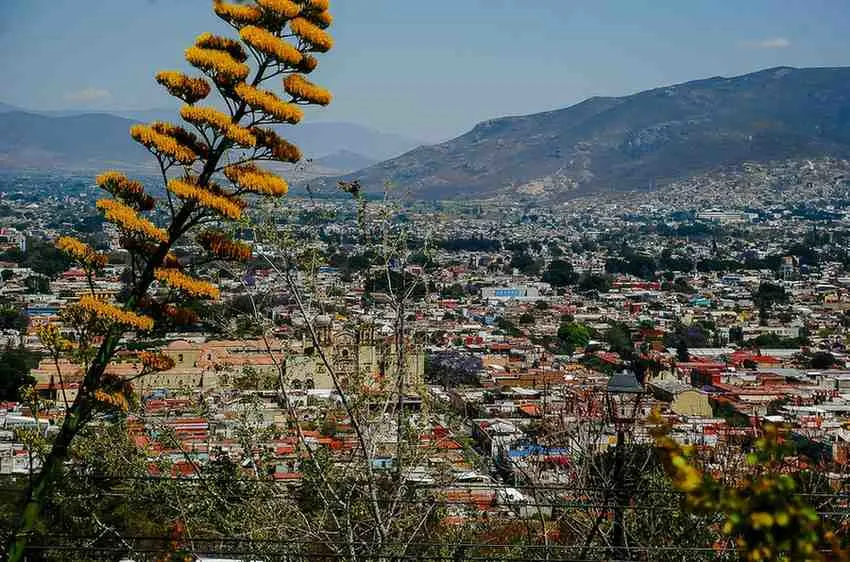
Thank god for the valleys. After weeks in the highlands, arriving in Sucre feels like walking into heaven. The air has oxygen, the temperatures are mild, and you can finally sleep through the night.
Year-round climate:
- Days: 15-25°C (59-77°F)
- Nights: Cool but not freezing
- Best for: Learning Spanish, relaxing, recovering from altitude
Local tip: The central market in Cochabamba has the best salteñas (Bolivian empanadas) I’ve ever tasted. Go around 10 AM when they’re fresh out of the oven.
The Lowlands (Santa Cruz, Amazon Basin): Tropical Heat
Welcome to the sweat zone. The Amazon doesn’t care about seasons it’s always hot, always humid, and always alive. I’ve never felt more connected to nature than watching pink river dolphins play in the Amazon tributaries.
Dry Season (May to October)
- Less rain means better wildlife spotting
- Mosquitoes are (slightly) less aggressive
- Roads are passable
Wet Season (November to April)
- The jungle is at its most vibrant
- River levels rise, allowing deeper access
- It’s seriously wet we’re talking daily downpours
Monthly Breakdown: What Really Happens
January: Peak wet season. The salt flats are partially flooded creating amazing reflections but making travel tough.
February: Carnaval time! Oruro hosts one of South America’s most incredible festivals think devil dances and water fights.
March: Still wet. Good for Amazon adventures but challenging in the mountains.
April: Transition month. Rains decrease, flowers bloom everywhere.
May: The dry season begins. Perfect for highland trekking and salt flat visits.
June: Winter solstice brings Inti Raymi celebrations. Cold but clear.
July: Peak season. Book everything months in advance. Cold but incredible skies.
August: Another great month for dry season activities. Windy on the altiplano.
September: Spring begins. Flowers bloom in the valleys. Ideal for combined highland/lowland trips.
October: Shoulder season. Good mix of decent weather and smaller crowds.
November: Rains begin. The landscape turns green almost overnight.
December: Summer rains increase. Christmas celebrations everywhere.
Beyond the Weather: Cultural Considerations

Bolivia’s calendar is packed with festivals that might dictate your timing more than weather:
- January: Alasitas Festival in La Paz people buy miniature versions of what they want in the coming year
- February/March: Carnaval especially huge in Oruro
- June: San Juan bonfires and celebrations across the country
- August: Independence Day parades and parties everywhere
The Verdict: When Should You Actually Go?
First-time visitors: May-September. You’ll get reliable weather and access to everything.
Photographers: April or November shoulder seasons offer the best light and dramatic skies.
Adventure seekers: Wet season (Nov-Mar) for the most challenging and rewarding experiences.
Budget travelers: October or April good weather without peak prices.
Final Truth:
No matter when you come, Bolivia will challenge you. The altitude will leave you breathless, the weather will surprise you, and the roads will test you. But standing on the salt flats at sunrise, or watching the sun set over Lake Titicaca, you’ll understand why we put up with the discomfort.
Pack for all seasons, bring your best hiking boots, and come ready to be humbled. Bolivia doesn’t give you easy trips it gives you stories that last a lifetime. And honestly? That’s so much better.